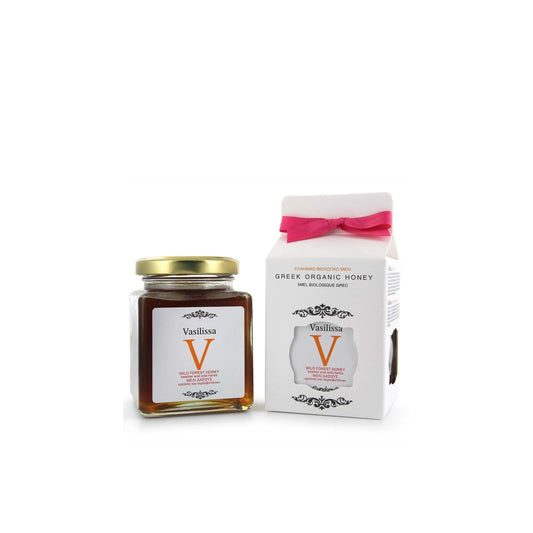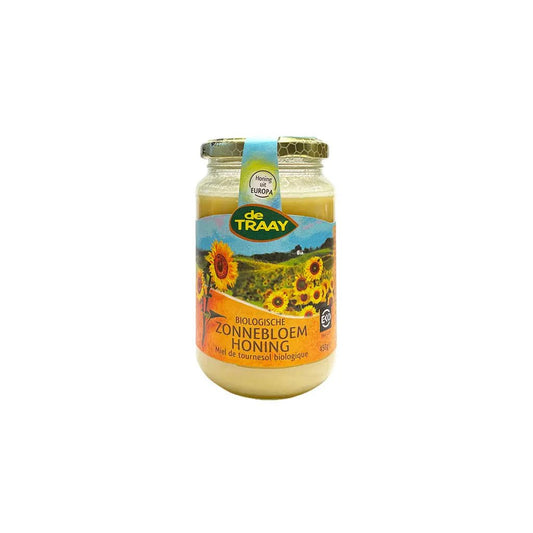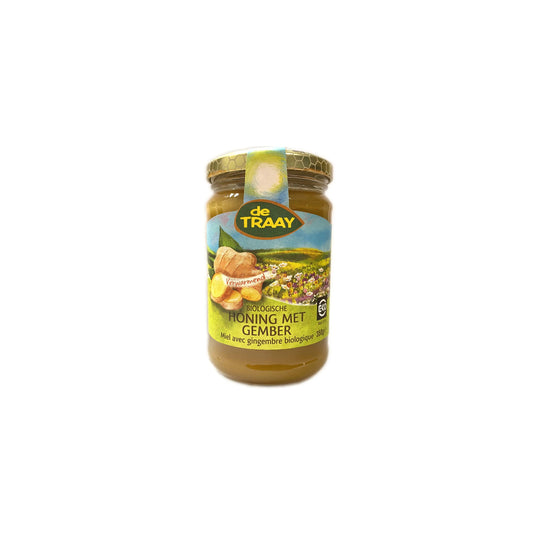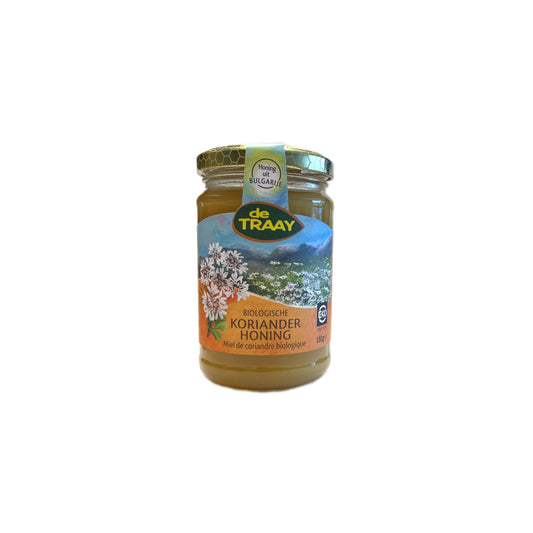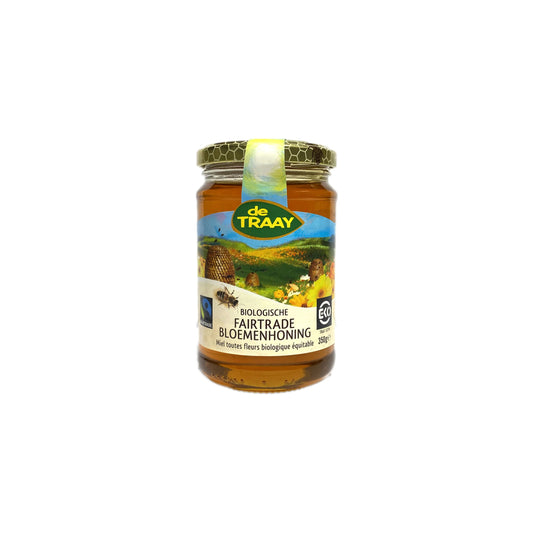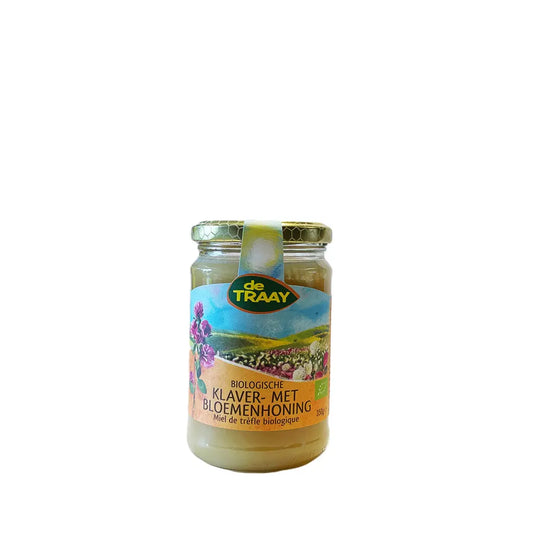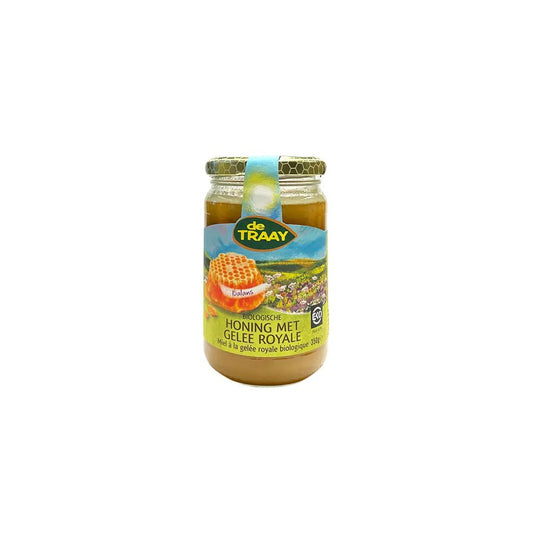

"Organic" is a protected term: a beekeeper cannot simply call their honey organic, even if they work without chemical agents. In this article, we explain what is actually required to use the organic label, how to recognize it, and what it does and does not mean.
What is Organic Honey?
Organic honey is honey that complies with the requirements of the European regulation for organic production (Regulation (EU) 2018/848). This means, among other things, that the beehives must predominantly be located in organically managed areas, and that the beekeeper must be affiliated with an accredited control body. In the Netherlands, this is Skal Biocontrole.
What Must a Beekeeper Comply With for the Organic Label?
The requirements for organic beekeeping are considerably stricter than for regular honey production:
- Foraging area: within a 3-kilometer radius around the beehives (the foraging range of a bee), the environment must predominantly consist of organically managed crops or spontaneous, natural vegetation, without chemical pesticides.
- Beehive material: the hives must be made of natural materials, such as wood, and must not be treated with synthetic paint or glue.
- Limited medications: in case of diseases or parasites such as the varroa mite, an organic beekeeper may only use natural remedies, such as lactic acid, menthol, or eucalyptol.
- Supplemental feeding: bee colonies overwinter on their own honey as much as possible. Supplemental feeding is only permitted in case of a shortage, and then exclusively with organic honey or organic sugar.
- Post-harvest control: organic honey is checked after harvesting for residues of pesticides, antibiotics, and heavy metals.
These requirements make it relatively difficult for beekeepers in densely populated countries like the Netherlands to comply with the organic label, as a 3-kilometer radius without highways, industry, or other sources of pollution is not found everywhere.
How to Recognize the Organic Label?
The European organic label is a green leaf formed by white stars, mandatory on all organic products sold in the EU. Also check the control body's code number on the label; in the Netherlands, this is NL-BIO-01 for Skal. If this code number is missing, the organic claim is not officially certified and therefore not legally permitted. If the honey comes from outside the EU, it must comply with equivalent rules and bear a comparable quality mark.
Why is Organic Honey Often More Expensive?
The stricter requirements for foraging areas, materials, and care make organic honey production more labor-intensive and limit suitable locations for beehives. In addition, control and certification by an accredited body such as Skal are required, which incurs additional costs. This combination of factors explains why organic honey is generally more expensive than regular honey.
Is Organic Honey 'Healthier' than Regular Honey?
The organic label refers to the production method and the environment in which the bees collect their nectar — not to a demonstrable difference in nutritional value or health effect compared to regular honey. You sometimes read online that organic honey contains "local pollen" which is said to help build resistance to regional allergies. There is no solid scientific basis for this specific claim, and it is therefore not something you should count on. So choose organic honey mainly because you value the production method and the stricter environmental requirements, not because of an expected health benefit.
Where to Buy Organic Honey?
At Honingwinkel.nl you will find a wide selection of organic honey varieties, including organic acacia honey, organic thyme honey and organic heather honey. Each product is certified and comes directly from the beekeeper.
Frequently Asked Questions
What does the organic label mean for honey? That the honey complies with the European regulation for organic production: a predominantly organic foraging area within 3 kilometers, natural beehives, and limited, natural medications. Controlled by an accredited body such as Skal in the Netherlands.
How do you recognize real organic honey? By the European organic label (green leaf) and the control body's code number on the label, in the Netherlands NL-BIO-01.
Is organic honey healthier than regular honey? There is no proven difference in nutritional value or health effect. The label refers to the production method and environment, not to a health benefit.
Why is organic honey more expensive? Due to stricter requirements for foraging areas and materials, more limited suitable locations, and the costs of certification and control by an accredited body.
Curious about our organic honey? View the full range at Honingwinkel.nl.