
When you walk through a beautiful flower garden and admire the colorful petals, you might not immediately think about what happens beneath the surface of that flower. But there's much more to the beauty of flowers than you might think. One intriguing aspect is the formation of pollen. But which part of the flower actually produces pollen? Let's explore this question and discover the fascinating world of flower structure.
The Role of a Pollen Flower
Flowers play a crucial role in plant reproduction. They are the reproductive organs of the plant world and contain both male and female reproductive organs. The male reproductive organs produce pollen, while the female reproductive organs are involved in the formation of sperm cells.
The Male Genital Organs
The male reproductive organs of a flower are called stamens. Stamens consist of two parts: the anther and the filament. Pollen is produced in the anther.
The Female Genital Organs
The female reproductive organs of a flower are called pistils. A pistil consists of three parts: the stigma, the style, and the ovary. The ovary contains the ovules, where sperm cells are formed after pollination.
The Formation of Pollen
The Anther: The Part That Forms Pollen
The part of the flower that produces pollen is the anther, located at the end of the stamen. The anthers are usually spherical and contain microscopic granules. These granules are the pollen itself, and they carry the plant's male sex cells.
The Process of Pollen Formation
Pollen formation, also called microsporogenesis, is a complex biological process. Within the anthers, specific cells called microspores undergo division and differentiation. These microspores ultimately develop into mature pollen grains, which are later released.
The Importance of Pollen
Pollination and Reproduction
Pollen plays a vital role in the pollination process. When pollen from the anthers is transferred to the stigmas of the same or different flowers, pollination occurs. This marks the beginning of sperm formation and, ultimately, the production of seeds and fruits.
Fertilization and Plant Growth
After pollination, the pollen penetrates the stigma and style to reach the ovary. Here, the male sex cells fuse with the female sex cells, resulting in fertilization. This process forms the basis for the growth of new plants from seeds.
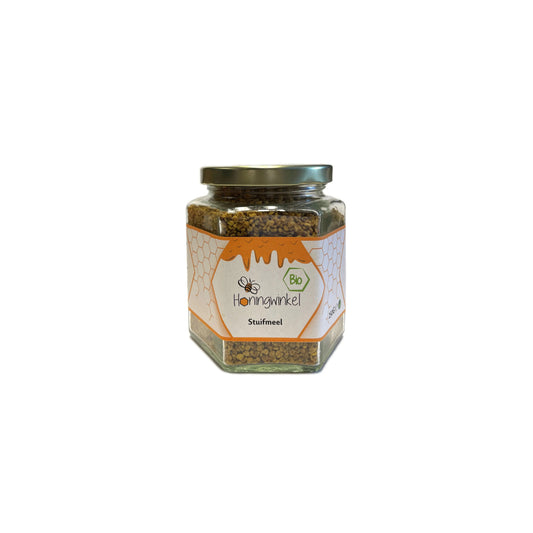
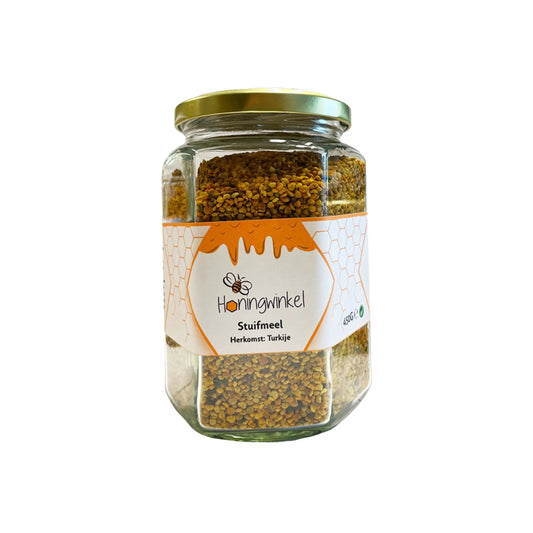
Buy pollen? View our selection!
Frequently Asked Questions
1. What are the male reproductive organs of a flower?
The male reproductive organs of a flower are called stamens.
2. Where is pollen produced?
Pollen is produced in the anthers, the tips of the stamens.
3. What is the role of pollen in pollination?
Pollen carries male sex cells and is essential for pollination and seed formation.
4. How does fertilization occur after pollination?
After pollination, pollen penetrates the stigma and style to reach the ovary, where fertilization occurs.
5. Why is pollen important for plants?
Pollen is crucial for plant reproduction, leading to pollination and forming the basis for the growth of new plants from seeds.