
Bees are known not only for their buzzing sound and the honey they produce, but also for their crucial role as pollinators in nature. As they fly from flower to flower, bees collect pollen, an essential part of their diet. But what do bees actually do with all that pollen? In this blog post, we'll explore the fascinating journey of pollen through the lives of bees.
1. Collecting pollen:
First, bees must gather pollen to survive. They use their hairy bodies, particularly their legs and abdomen, to scrape pollen grains from the stamens of flowers. Bees have specialized structures on their legs, such as pollen baskets, in which they can store the collected pollen while still being able to fly.
2. Feeding the bee larvae:
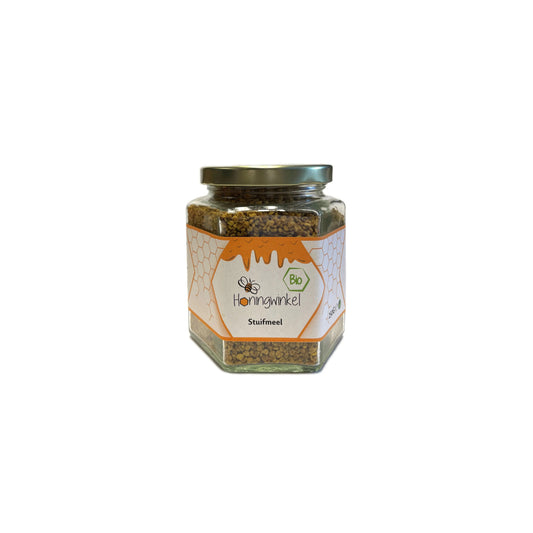
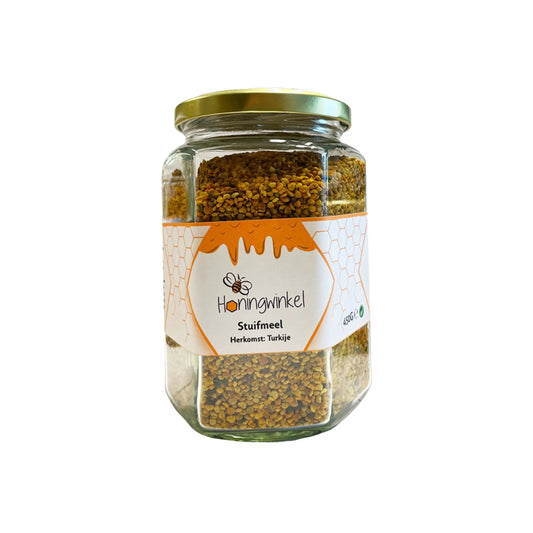
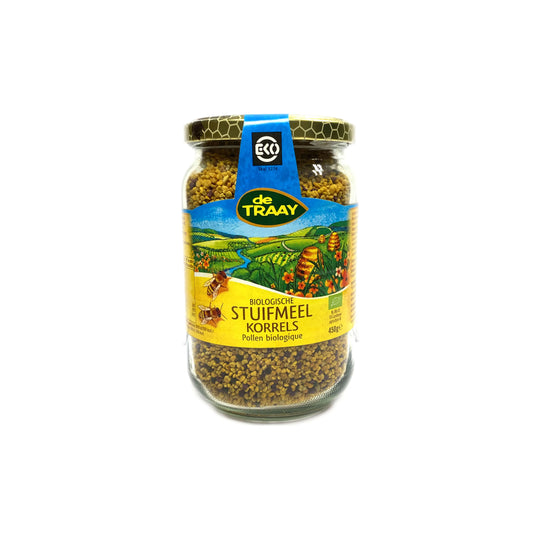
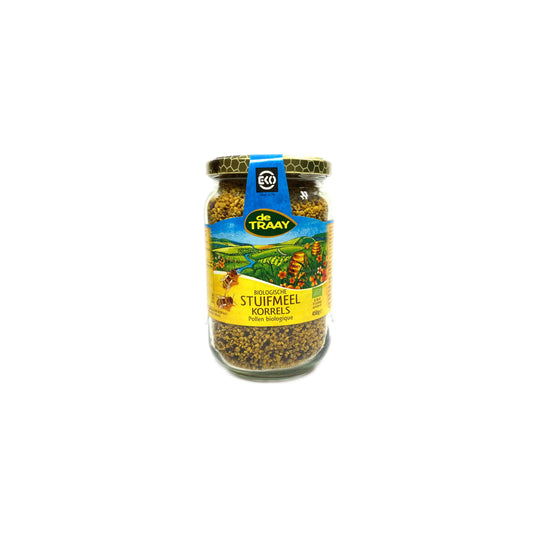
Pollen is an important food source for bee larvae. After collecting pollen, bees bring it back to the hive, where it serves as the primary protein-rich food for the growing larvae. Bees collect the pollen in special cells, known as beebread or pollen grains, located within the hive's combs. These cells are then sealed with a layer of beeswax to protect the pollen. Pollen is consumed not only by bee larvae but also by humans! People typically consume pollen in the form of bee pollen, which is collected from hives by beekeepers. Bee pollen is often sold as a nutritional supplement and can be added to smoothies, yogurt, cereal, or even as an ingredient in baking recipes. It also has a slightly sweet and nutty flavor.
3. Pollen as an energy source:
Not only the larvae benefit from pollen, but also the adult bees themselves. Pollen provides an important source of carbohydrates and proteins for bees, giving them energy to perform their daily tasks. The bees consume the pollen directly in the hive, mixing it with nectar to create a nutritious "bee bread" porridge. Pollen is therefore an energy source for bees, and for humans too! Consuming pollen can have several benefits for humans, including providing an energy source, strengthening the immune system, promoting digestion, and offering powerful properties!
4. Pollination:
Besides food, pollen plays a vital role in pollination. As bees fly from flower to flower collecting pollen, grains stick to their bodies. When they then fly to another flower, the pollen grains rub against the pistil, resulting in pollination. This process contributes to plant reproduction and ensures the production of seeds and fruits.
To summarize: pollen is vital for bees, both as a food source and for plant reproduction. Collecting pollen allows bees to feed their larvae, gain energy, and ensure the pollination of flowers and the fertilization of seeds and fruits. It also serves as an energy source for humans!