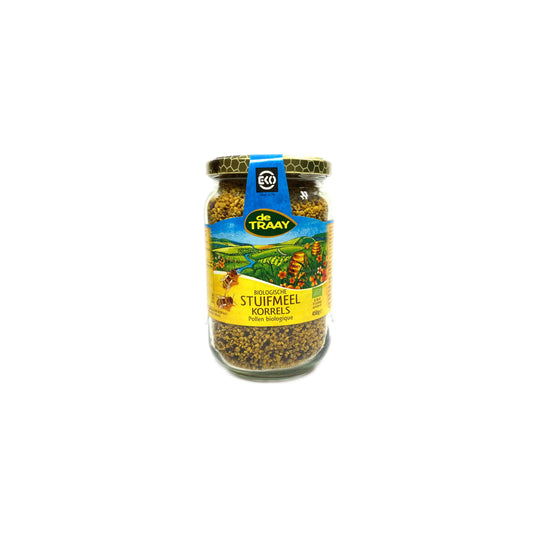

The World of Pollen (Bee Pollen)
In this blog, we want to talk about pollen, also known as bee pollen. Besides providing delicious honey, bees play an essential role in pollinating flowers and plants. During this process, they collect pollen. In this blog, we will discuss the properties and applications of pollen, and how you can incorporate it into your daily routine as a nutritional supplement. Read on and discover the versatility of pollen!
1. What is Pollen?
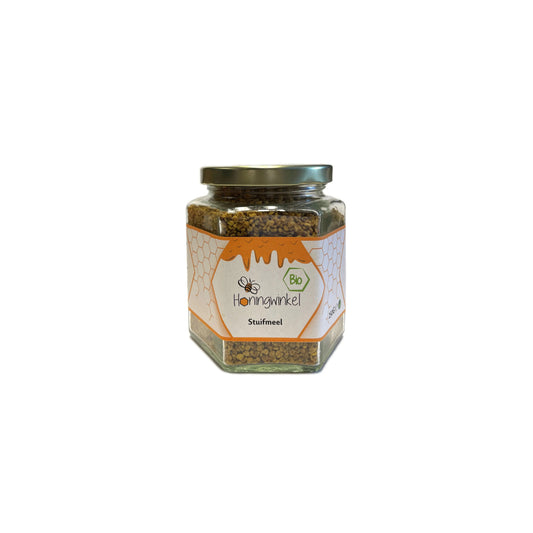
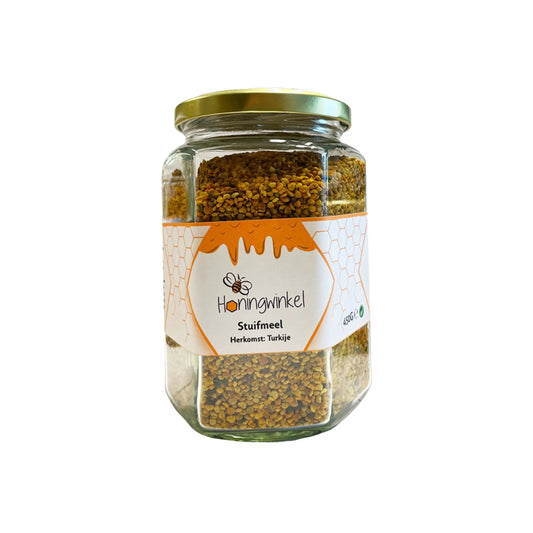
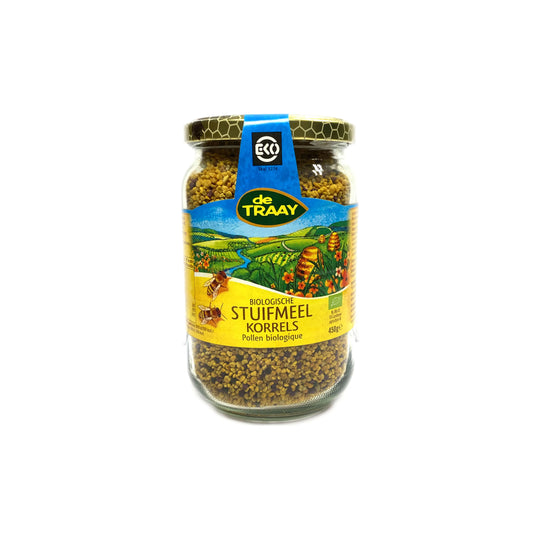
Pollen is the male seed of flowers. Bees collect pollen during their pollination activities and form it into small grains, called bee pollen. These grains contain a complex mix of naturally occurring proteins, vitamins, minerals, and enzymes.
2. Properties of Pollen
Pollen grains are a concentrated source of nutrients:
-
Nutritional Richness: Pollen contains a wide range of nutrients, including amino acids, B vitamins, vitamin C, vitamin E, and minerals such as zinc, magnesium, and iron.
-
Complex Composition: The composition of the pollen varies greatly depending on the flower sources.
3. Applications of Pollen
Nutritional Supplement:
Pollen can be taken as a nutritional supplement in the form of powder/granules, tablets, or mixed with honey (consult the collection on Honingwinkel.nl). It can be a valuable addition to your daily diet.
Enriching Meals:
Sprinkle a small amount of pollen over smoothies, yogurt, cereals, or salads to enrich your meals and add a light floral taste. Besides being a tasty addition, it also makes your plate look festive!
Conclusion:
Pollen is a valuable bee product that is packed with nutrients. It can be used as a nutritional supplement and added to meals. By incorporating pollen into your daily routine, you can supplement your diet with this special product. Take a look at our honey store to find high-quality bee pollen that meets your needs.