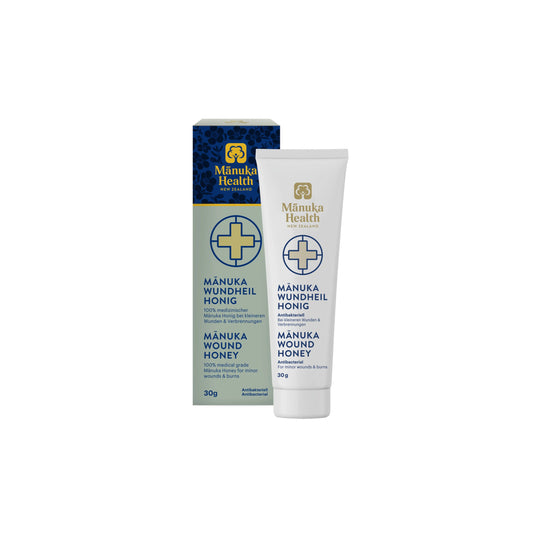

Raw honey, also known as crude honey, is honey harvested directly from the beehive and is not heated, filtered, or pasteurized. This preserves its natural enzymes, nutrients, and aromatic properties that might otherwise be lost during the processing of regular honey.
How is Raw Honey Collected?
The harvesting of raw honey is done with care and respect for the bee colony. Beekeepers use special techniques to remove the honeycombs without harming the bees. The honey is then pressed or spun from the combs, after which it is filtered to remove impurities.
Raw Honey vs. Processed Honey: What's the Difference?
Unlike raw honey, processed honey undergoes processes such as heating and filtration, which can reduce some of the nutrients and enzymes. Raw honey, on the other hand, retains its full potential, making it a more nutritious choice.
Uses of Raw Honey
Raw honey can be used in countless ways, from a sweetener in tea to enhancing the flavor of dishes. Additionally, it is often used in natural skincare products due to its moisturizing properties.
Buying Raw Honey: Where and Why?
When buying raw honey, it's important to choose reliable sources, such as local beekeepers or organic stores. By choosing raw honey, you not only support your health but also sustainable beekeeping practices.
P.s. All honey from Honingwinkel is guaranteed pure, authentic raw honey!
How Can You Incorporate Raw Honey into Your Diet?
Raw honey can be added to cereals, smoothies, yogurt, or used as a natural sweetener in baking recipes. It can also be taken directly for its benefits.
Raw Honey in Natural Skincare
Thanks to its hydrating and powerful properties, raw honey is often used in homemade face masks, scrubs, and lotions.
Is Organic Raw Honey Better?
Organic raw honey is harvested from bees that visit flowers not exposed to pesticides. This means it may contain fewer contaminants. When choosing honey, organic is often the preferred choice.
How to Store Raw Honey Optimally?
Raw honey naturally has a long shelf life, but it's important to store it in a cool, dark place, well-sealed to keep moisture out. This preserves its nutrients.
Recipes with Raw Honey: Taste the Natural Sweetness
From healthy snacks to savory dishes, raw honey can be a delicious and healthy addition to all sorts of recipes. For example, try raw honey as a topping on your oatmeal or as a marinade for grilled chicken.
Raw Honey and Sustainability: A Responsible Choice
By purchasing raw honey from local beekeepers or apiaries that practice sustainable methods, you contribute to the conservation of bee populations and promote biodiversity.
Enjoy the Benefits of Raw Honey
In this article, we've highlighted the diverse benefits of raw honey, from health to skincare and sustainability. By consciously incorporating raw honey into your diet and lifestyle, you can optimally benefit from this natural treasure for your well-being.
Unique FAQs About Raw Honey
1. Can raw honey be used as a substitute for refined sugar in recipes?
Yes, raw honey can be used as a natural sweetener in various recipes, but be aware that it may affect the taste and texture of the dish.
2. Can you heat raw honey without losing nutrients?
Although raw honey can lose some enzymes when heated, it still retains many of its nutrients. Moderate heating is often safe.
3. Is raw honey suitable for people with diabetes?
People with diabetes should be cautious when consuming raw honey due to its sugar content. Consult a doctor before adding it to your diet.
4. Can I apply raw honey to my skin?
Yes, raw honey can be used as a natural moisturizer for the skin.
5. What is the difference between raw honey and Manuka honey?
Manuka honey comes from New Zealand and Australia and is known for its powerful properties.